

Decluttering for Independent Living: What to Keep
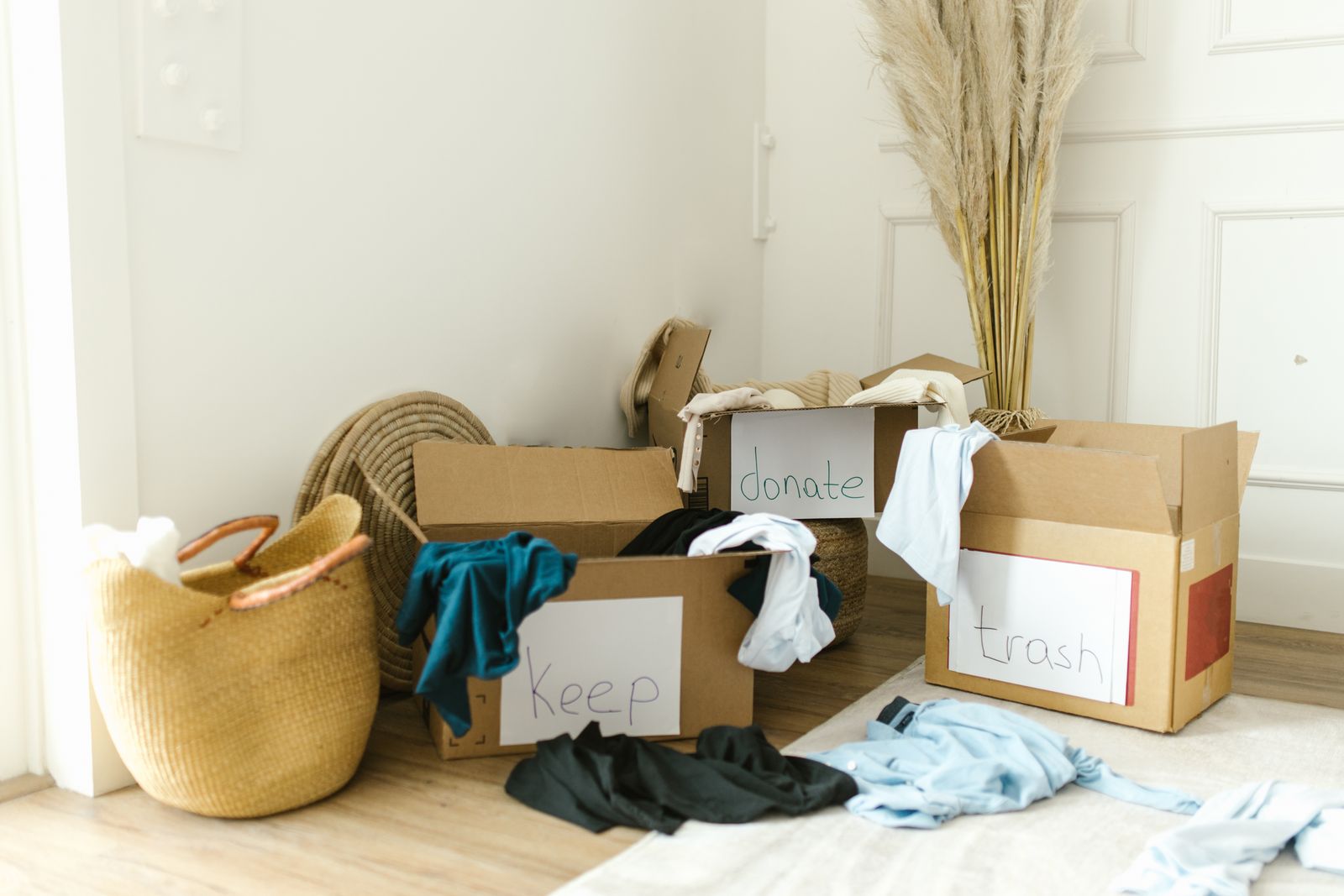
Decluttering for independent living can be emotional, practical, and surprisingly hopeful all at once. Start with everyday essentials and meaningful belongings, measure furniture before moving, and sort one space at a time. The goal isn’t to erase a lifetime of memories. The goal is to carry the best parts forward into a home that feels easier to enjoy every day.
For many families, downsizing begins with one simple question: what will make the next home feel peaceful? That question changes the process. Instead of starting with what has to go, start with what deserves a place in the next chapter.
Start with the life you’re moving toward
Before opening boxes or sorting closets, picture a normal day in the new apartment. There may be fewer rooms to maintain, less yard work, and more time for meals, visits, hobbies, or a walk down the hall to see a neighbor. That picture helps every decision feel less like a loss and more like preparation.
A helpful first step is to list the items that support daily comfort: a favorite chair, a reliable kitchen setup, a bed that feels right, important photos, treasured books, a small table for coffee, and the pieces that make the room feel familiar. These are the anchors. Once they are chosen, the rest of the sorting becomes easier.
If you’re looking for spring cleaning and decluttering tips, start small. Sorting one drawer or closet at a time can help you organize and simplify your living space without tackling the entire home at once.
Decluttering for independent living: what to keep
Large homes often hold decades of useful items, seasonal decorations, duplicate tools, and family keepsakes. The easiest way to stay steady is to sort one space at a time and use three simple groups.
- Keep for daily life: items that will be used often or make the new apartment feel like home.
- Share with family: meaningful pieces that a child, grandchild, friend, or relative would be glad to receive.
- Let go with gratitude: things that served their purpose but don’t need to move forward.
That last group matters. Letting go doesn’t mean something was unimportant. It often means it served you well in a different season of life.
Start With A Room-By-Room Decluttering Checklist
Choose one room and make a short list before you start packing. Focus on how you’ll use the new space, then check what you already own.
- Kitchen: choose the dishes, utensils, and cookware you use for meals you actually make. Check cabinet space and appliance rules before packing large gadgets or duplicate sets.
- Bedroom and bathroom: start with everyday clothing, comfortable bedding, towels, and personal items. Compare what you’d like to bring with the available closets and drawers.
- Paperwork: keep important records together and separate from donation boxes. Set aside documents you’re unsure about, and check any retention questions before discarding financial or legal records.
- Hobbies: choose supplies you’ll use and identify where they’ll go. A small, accessible place for a favorite activity can be more useful than boxes that stay unpacked.
For a broader moving plan, the Family Caregiver Alliance’s downsizing checklist covers sorting, paperwork, and packing.
Give family specific decluttering tasks
Decluttering feels lighter when family members know exactly how to help. Instead of inviting everyone to sort everything, ask them to do a specific task: photograph keepsakes, carry donations, label boxes, measure furniture, or choose a few family pieces they want to keep.
Photos can be especially helpful. A family member can photograph special items before they leave the home, creating a small memory album without needing to store every object.
For guidance on caring for the photos you keep, see the National Archives’ tips for preserving family photographs.
What If Family Doesn’t Want A Keepsake?
Ask someone whether they’d like an item before putting their name on a box. A relative may appreciate the history of a dining set or collection without having room to keep it.
If they decline, you can choose a favorite piece from a larger set, write down its story, or consider another person who might enjoy it. Before arranging a donation, confirm which items the organization accepts and whether you’ll need to deliver them.
Keep the person moving involved in these choices. Family members shouldn’t give away belongings on their behalf without agreement.
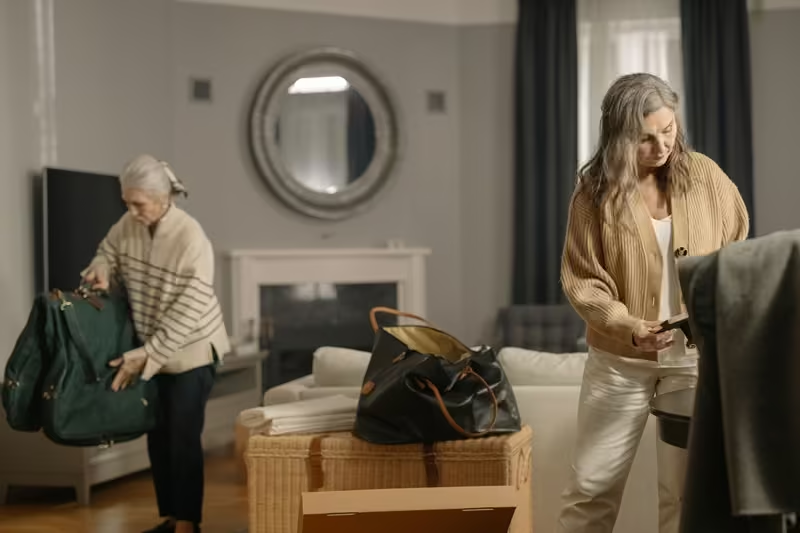
Packing Belongings Before a Move
Measure furniture, rooms, and storage before moving
A smaller apartment can feel open and comfortable when you choose furniture with the room in mind. Measure the new living room, bedroom, closets, and kitchen storage before you make final decisions. Then choose pieces that leave room to move safely and easily.
In many cases, one beloved chair is better than a full living room set, and one sturdy table is better than several occasional pieces. The right items help the apartment feel calm, not crowded.
As you arrange furniture, keep walking routes clear. The National Institute on Aging’s room-by-room home safety guide offers additional suggestions.
What If You’re Not Sure Whether To Keep An Item?
When a decision stalls, try a few specific questions:
- Will I use it in the daily life I’m planning?
- Does it have a place in the new apartment?
- Do I already have something that serves the same purpose?
- Would I choose it again if I were setting up this home today?
You don’t have to make every difficult choice during one sorting session. Set aside a small group of undecided items, then revisit them after checking measurements or speaking with family. Keep track of what still needs a decision so those boxes don’t get mixed in with donations.
Make the new apartment feel familiar right away
On moving day, unpack the comfort items first. Put framed photos where you can see them. Make the bed. Set out a lamp, a blanket, the coffee cups, and the books or puzzles that are part of normal life. These small choices help the new space feel personal from the first evening.
It is also worth leaving a little empty space. A new home needs room for new routines, new neighbors, and new memories.
Familiar belongings are only part of feeling at home. Read our guide to keeping routines and connections when moving to independent living for help planning visits, calls, and familiar activities.
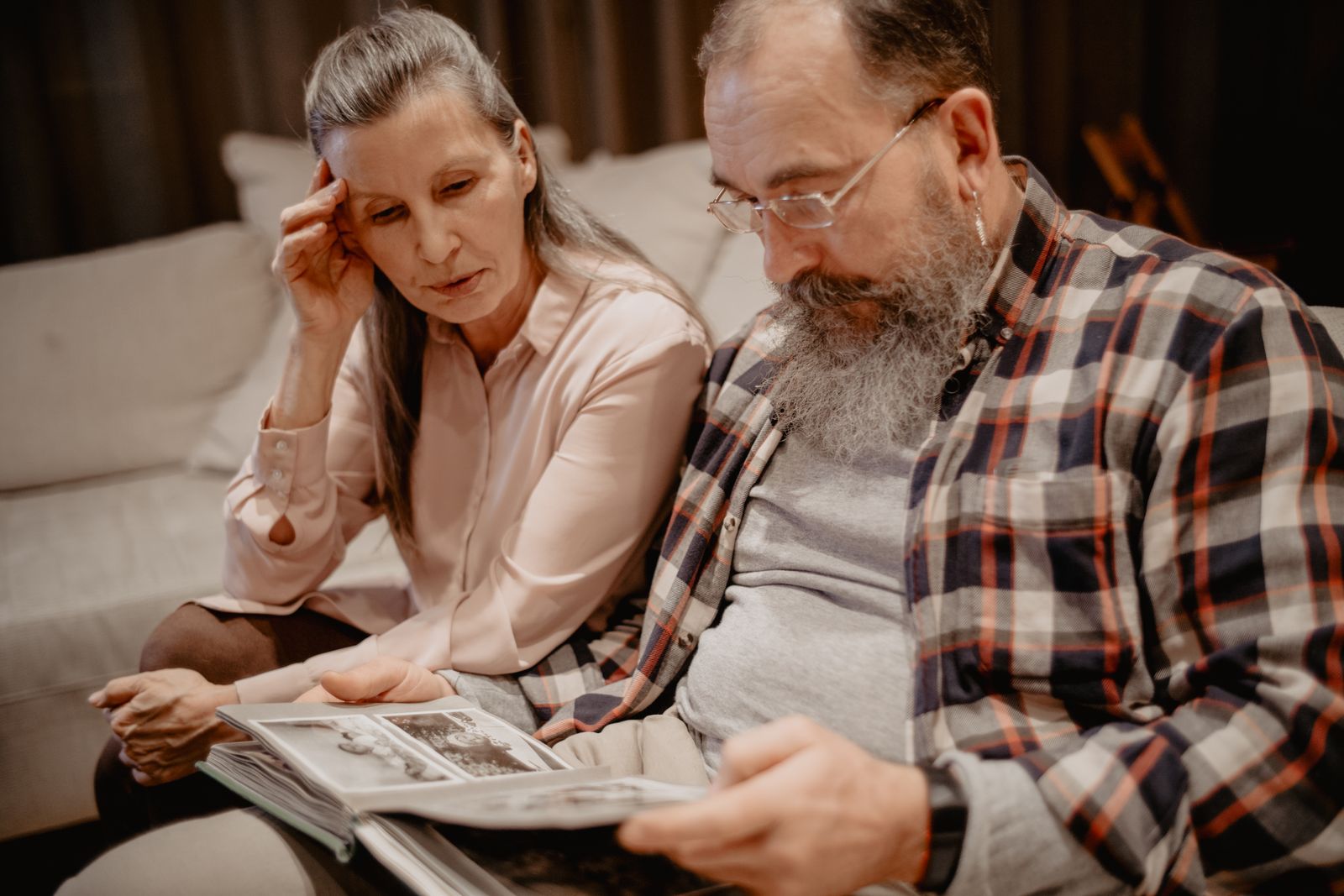
Make room for the family photos and keepsakes you'll want in your new home.
A smaller home can still hold a full life
Downsizing isn’t only about having less. It’s about making daily life easier to manage and easier to enjoy. A smaller apartment can still hold favorite meals, family visits, quiet mornings, hobbies, laughter, and the objects that mean the most.
The best move isn’t the one where everything is perfectly sorted. It’s the one where the person moving feels respected, involved, and ready to settle into a home that supports the life ahead.
If you’re considering independent living at Emerald Pointe Independent Living in Greenville, Illinois, request a visit by appointment. Bring a list of the furniture and belongings you hope to keep, and ask about available measurements to help you compare senior housing options.